
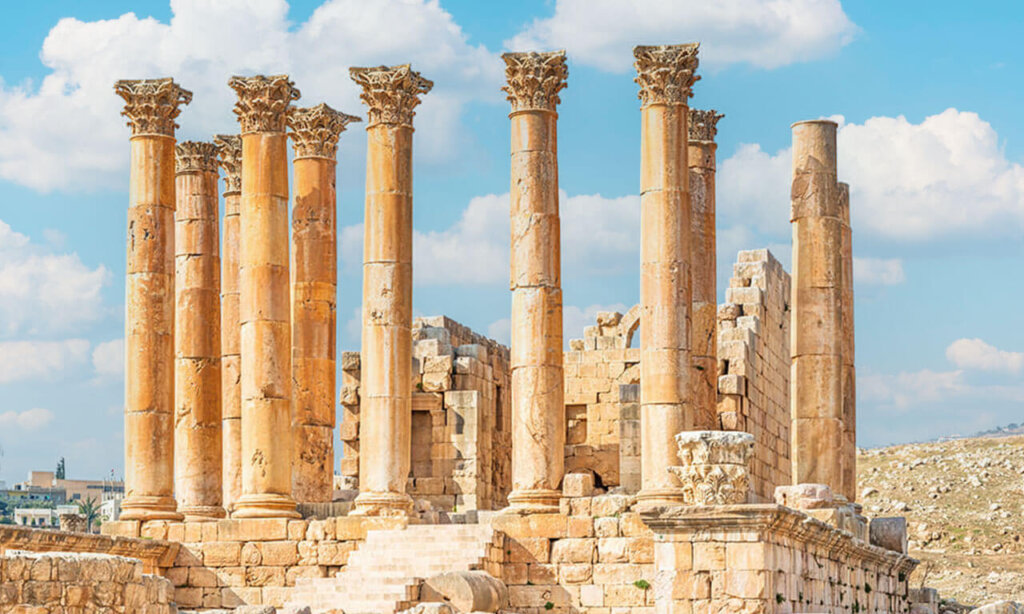
The Temple of Artemis, also called Artemisium, is one of the Seven Wonders of the Ancient World. Serving as an icon of grandeur and worship in the ancient city of Ephesus, this temple is a monument to the astounding architectural and artistic accomplishments of its day. In this article, we will delve into the historical background, significance and fascinating tales about this significant ancient temple.
Join the Ephesus & Virgin Mary’s House Tour organised as a daytrip for an unforgettable historical journey where you can see the Ancient City of the Ephesus, including the Temple of Artemis, and the House of the Virgin Mary!
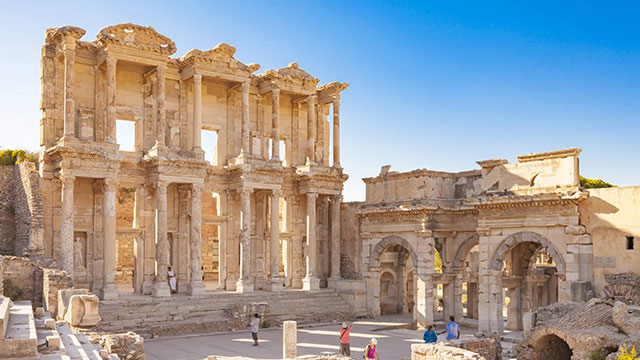
History of The Temple of Artemis
Ephesus, an ancient city in what is now Southwestern Turkey, was home to the Artemis Temple. A prosperous Greek and later Roman city, Ephesus was renowned for its active harbor, stunning architecture, and extensive cultural legacy. The Temple of Artemis established itself as a stunning wonder of the ancient world in this thriving metropolis.
Often associated with the moon, Artemis was the Greek goddess of the hunt, the wilderness, childbirth, and virginity. Throughout the Greek world, she was worshipped extensively, but nowhere was it more ostentatious than in Ephesus, where she was adored in a distinctive Anatolian form, frequently with several breasts signifying fertility.
Construction of the Artemis Temple
The enormous temple was constructed by Croesus, the Lydian monarch, in 550 BCE. The Greek Goddess Artemis, was honored in the temple. In ancient Ephesus, Artemis was a beloved deity, and her temple was a center of celebration, worship, and pilgrimage. The splendor of the temple served as a symbol of the Ephesians’ intense devotion to their deity.
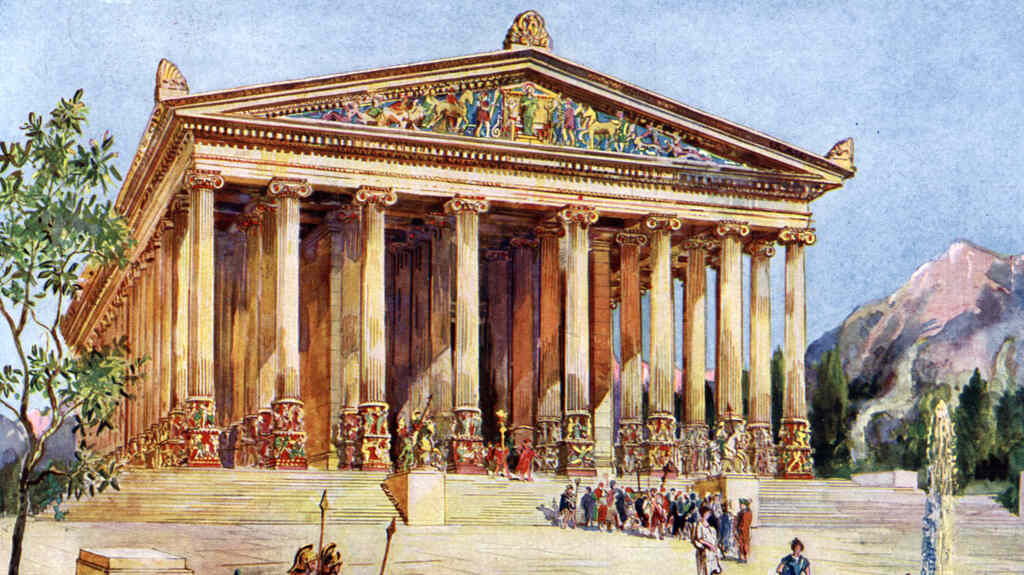
One of the most ambitious architectural projects in the ancient world was the building of the Temple of Artemis. Croesus of Lydia commissioned the project, giving it to the Cretan architect Chersiphron and his son Metagenes. The temple was constructed entirely of gleaming white marble and located on a muddy surface outside of Ephesus. It was a choice to protect the temple from earthquakes. However, this later proved ineffective which was their extraordinary vision. The finished building was roughly 137 meters long and 69 meters wide, making it one of the biggest temples ever built in the ancient world—it was even bigger than the Parthenon.
It had 127 Ionic columns that were 18 meters high and were arranged in double rows to create a large rectangular colonnade. In addition to being enormous, these columns had elaborate carvings, many of which featured intricate floral patterns and high-relief sculptures. A surprisingly sophisticated method for its time, the temple’s foundations were strengthened with layers of sheepskin and charcoal to absorb ground moisture. Over the course of decades, artisans and masons from all over the Greek world collaborated to finish the interior. The temple was filled with gilded artwork, bronze statues, and lavish sculptures. The temple is a masterpiece of sacred architecture that deserves to be listed among the Seven Wonders of the Ancient World because of its immense size, beauty, and engineering precision.
Destruction of the Temple of Artemis
The Temple of Artemis was unable to avoid the precarious fate of all earthly monuments, despite its divine dedication and architectural genius. In a shocking act of arson, a man by the name of Herostratus set fire to the temple in 356 BCE, causing its first significant destruction. He had a desire for unending fame, even at the expense of committing a crime so horrible that the authorities officially prohibited him from being mentioned (a ban that, ironically, was unsuccessful, as we still know it today).
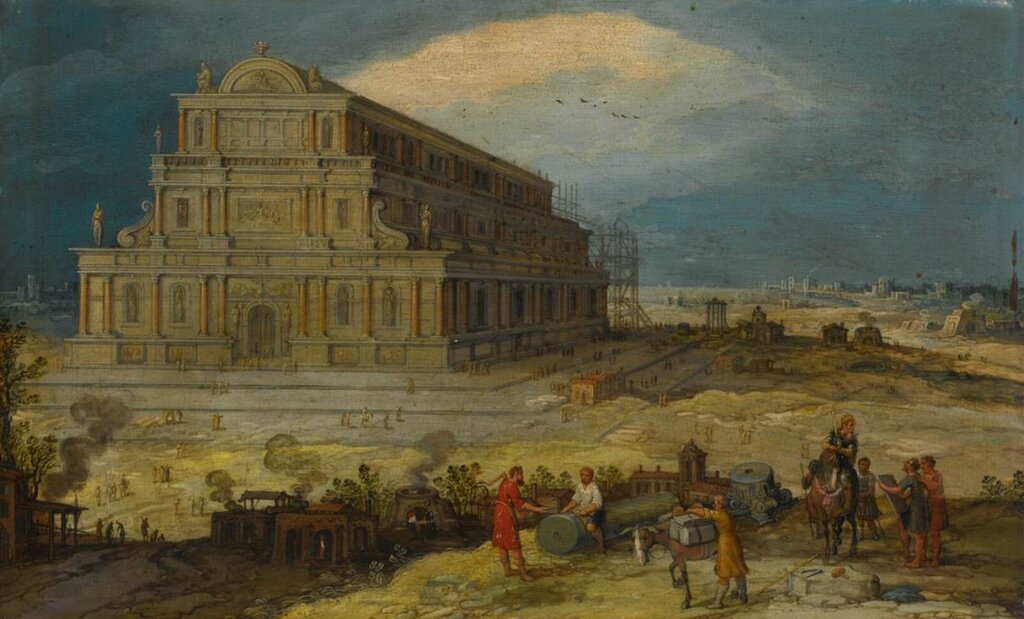
Ancient legend states that the goddess Artemis was too busy with Alexander the Great’s birth to defend her sanctuary that night. Centuries after it was meticulously and magnificently rebuilt, the temple began to gradually deteriorate. Pagan temples were viewed negatively during the Roman Empire’s Christianization. The rebuilt temple was attacked and demolished by the fourth or fifth century AD, either by fervent Christian hordes, natural deterioration, or stone scavenging for new construction. Over time, floods and earthquakes caused more harm to the temple.
Churches, fortifications, and even portions of the neighboring Basilica of St. John were constructed using marble blocks that were taken from the temple. Only a few sculpture fragments and a single re-erected column stand alone in a silent field today,
Significance of the Temple of Artemis
More than just a marvel of ancient architecture, Artemis left behind a legacy that endured for hundreds of years. Although it isn’t physically present in the modern world, its significance, influence, and cultural impact have persisted across time. We will delve into the Temple of Artemis’ long-lasting influences on numerous facets of history, society, and art in this investigation of its legacy.
Architectural Impact
The Temple of Artemis has had a significant influence on architecture, which is one of its most obvious aftereffects. With its original design and huge scale, this monumental building served as a source of inspiration for architects and builders throughout history.
The Temple of Artemis promoted cross-cultural exchange as a prime example of fine architecture. Due to its reputation, tourists, academics, and artists flocked there to take in its beauty and learn about its design principles, which helped to spread ideas and artistic movements.
Cultural Impact
At the Temple of Artemis, rituals, rites, and festivals in her honor were held as a place of worship. The temple’s significance in terms of culture and religion made a lasting impression on people’s spiritual life.
The splendor of the Temple of Artemis was evidence of how much the people of Ephesus loved and revered their goddess. It served as a representation of their steadfast adherence to their religion and their desire to build a stunning place of worship
Contemporary Remains
Although the original Temple of Artemis is no longer visible on the grounds, some of its remains and treasures can be found in museums all over the world. These remains reveal signs of its past splendor and act as concrete reminders of its legacy. Examples comprise:
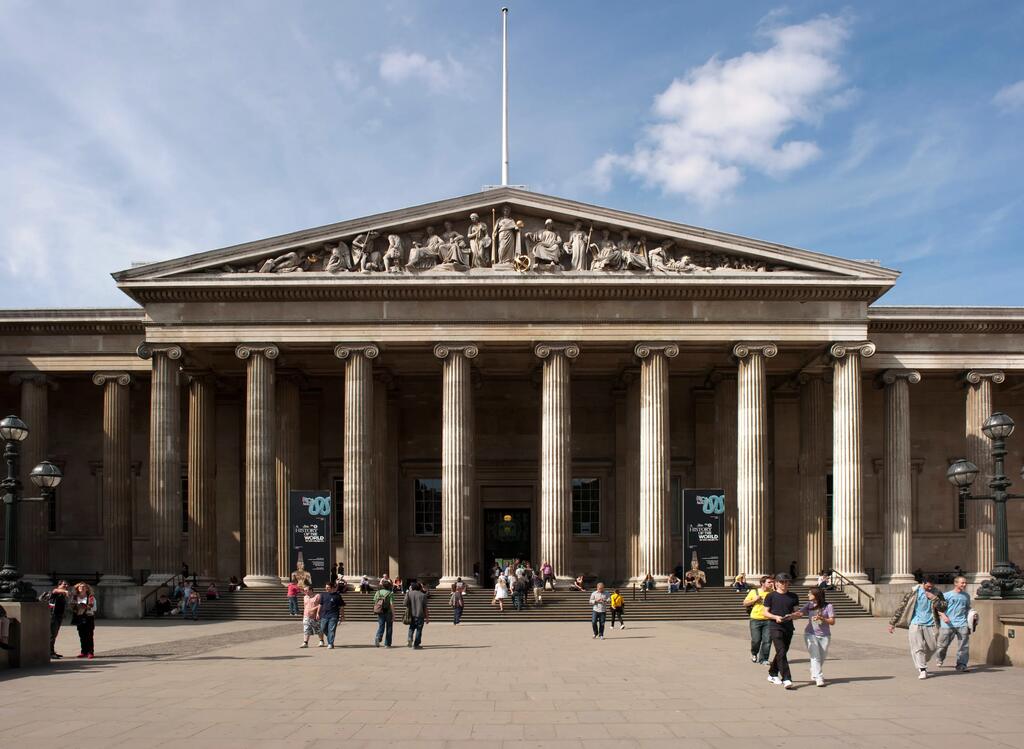
British Museum
Some of the most important relics from the Temple of Artemis are kept in the British Museum in London, including a recreated frieze that displays the intricate aesthetic aspects of the temple.

Ephesus Archaeological Museum
Ephesus Archaeological Museum in Turkey, which is close to the historic city of Ephesus, houses a collection of objects associated with the Temple of Artemis that provide visitors a better understanding of the temple’s significance and history.
Location of the Temple of Artemis
Check out the location of the Temple of Artemis:
Address: Atatürk, Park İçi Yolu No:12, 35920 Selçuk/İzmir
Frequently Asked Questions
The Temple of Artemis’ enormous size, beautiful architecture, and cultural significance have won it a spot among the Seven Wonders of the World. It served as a testimony to the remarkable accomplishments of the era.
Numerous difficulties were faced by the temple, such as fire damage and intentional vandalism. It was constantly rebuilt and renovated despite these setbacks until it was ultimately destroyed.
Although the ancient Temple of Artemis is no longer there, you can still see some of its remains and learn about its history by taking a tour to the Ephesus archaeological site in southwestern Turkey.
Related Pages You Can Check
Check related pages about things to do in Kusadasi, excursions & activites and more!


Need Help To Plan Holiday?
Plan your unique holiday with professional travel agents of Kusadasi.